

Blue Zones are regions around the world where people live longer, healthier lives than in most other places. These areas have attracted the attention of researchers, health enthusiasts, and anyone interested in unlocking the secrets to longevity and well-being. The term “Blue Zones” was popularized by National Geographic Fellow and author Dan Buettner, who identified and studied these unique regions.
Key characteristics of Blue Zones include:
- Exceptional Longevity: Inhabitants of Blue Zones often live well into their 90s or even past 100, maintaining good health and vitality throughout their lives.
- Healthy Aging: Blue Zone residents not only live longer but also experience lower rates of chronic diseases such as heart disease, diabetes, and certain cancers.
- Lifestyle Factors: Lifestyle choices, including diet, physical activity, and stress management, play a crucial role in Blue Zone longevity.
- Strong Social Connections: Blue Zone communities emphasize strong social bonds and a sense of belonging, which contribute to overall well-being.
- Dietary Habits: Blue Zone diets are typically plant-based, with an emphasis on whole foods, legumes, nuts, and limited consumption of animal products.
- Regular Physical Activity: Physical activity is integrated into daily life, with people in Blue Zones engaging in natural movement, such as walking and gardening.
- Stress Reduction: Blue Zone communities often have practices that help manage stress, such as daily rituals and mindfulness activities.
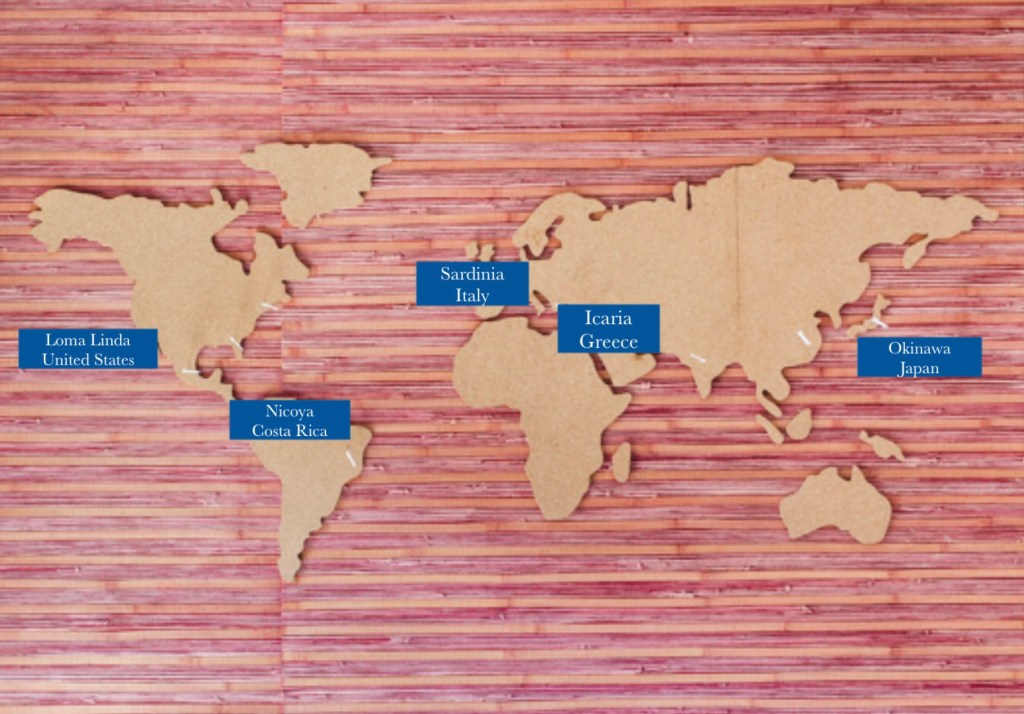
Some well-known Blue Zones include:
- Ikaria, Greece: This Greek island is known for its high concentration of centenarians and a traditional Mediterranean diet rich in olive oil and vegetables.
- Okinawa, Japan: Okinawa boasts one of the world’s highest life expectancies, attributed to a diet focused on sweet potatoes and an active lifestyle.
- Sardinia, Italy: Sardinia’s mountainous regions are home to a significant number of centenarians, with a diet featuring whole grains, legumes, and goat’s milk.
- Nicoya Peninsula, Costa Rica: This region features a diet with a strong focus on beans and corn tortillas, as well as an active lifestyle.
- Loma Linda, California, USA: Loma Linda is unique as a Blue Zone in a non-traditional setting, with a population of Seventh-day Adventists who follow a vegetarian diet and prioritize health and community.
Researchers continue to study these Blue Zones to uncover the specific factors that contribute to longevity and well-being in these communities. The lessons learned from Blue Zones provide valuable insights for individuals and societies looking to improve health and increase life expectancy.
 The Pharmers Almanac