
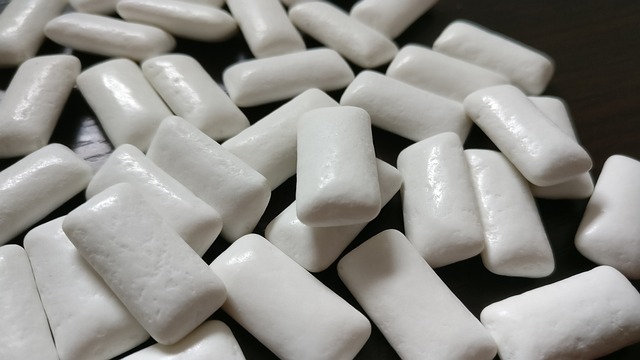
Ever swapped sugar for a low-calorie sweetener, thinking you’re making a healthier choice? Join the club. Xylitol, a popular sugar substitute, is everywhere in our snacks and drinks. But here’s the kicker: new research suggests xylitol might be doing a number on your heart health. Let’s break it down.
The Unseen Dangers of Xylitol
Cardiovascular disease (CVD) is a leading cause of death, but not all the risk factors are clear-cut. Enter xylitol—a low-calorie sweetener that’s supposed to be the good guy. It turns out, it might not be so innocent after all.
What the Scientists Discovered
Researchers kicked off a study with over 1,100 people who were getting their hearts checked out. They found a link between xylitol levels in their blood and a higher risk of major heart problems over three years. To be sure, they ran a more detailed analysis on another group of over 2,100 people. Same story: higher xylitol levels, higher heart risks.
Platelets on Overdrive
The researchers dug deeper to find out why xylitol might be risky. They looked at platelets—those tiny cells in your blood that help with clotting. They found that xylitol makes platelets hyperactive, which can lead to clots, heart attacks, and strokes.
The Real-Life Test
To see if this happens outside the lab, they had a group of healthy volunteers drink a xylitol-sweetened beverage. Their blood tests showed that xylitol really did ramp up platelet activity, even in people with no health issues.
What This Means for You
Using xylitol as a sugar substitute? You might want to think twice. This study suggests that xylitol, while low in calories, could be raising your risk of heart problems. Not so sweet, right?
The Big Picture
This research is a wake-up call. While more studies are needed to fully understand xylitol’s long-term effects, it’s clear we should be cautious. Xylitol might cut calories, but the potential heart risks could make it a bad trade-off.
Key Takeaways
- Watch Out for Sweeteners: Xylitol, found in many low-calorie products, is linked to higher heart risks.
- Blood Clot Alert: Xylitol makes your platelets more active, increasing the risk of clots.
- Choose Wisely: Think about the potential risks of sugar substitutes. Natural options like honey or maple syrup might be better choices.
We’re all trying to make healthier choices, but it’s crucial to know what’s really in our food. So, next time you grab a xylitol-sweetened treat, remember it might not be as heart-friendly as you thought. Stay savvy and stay healthy.
Witkowski M, Nemet I, Li XS, Wilcox J, Ferrell M, Alamri H, Gupta N, Wang Z, Tang WHW, Hazen SL. Xylitol is prothrombotic and associated with cardiovascular risk. Eur Heart J. 2024 Jun 6:ehae244. doi: 10.1093/eurheartj/ehae244. Epub ahead of print. PMID: 38842092.
 The Pharmers Almanac