
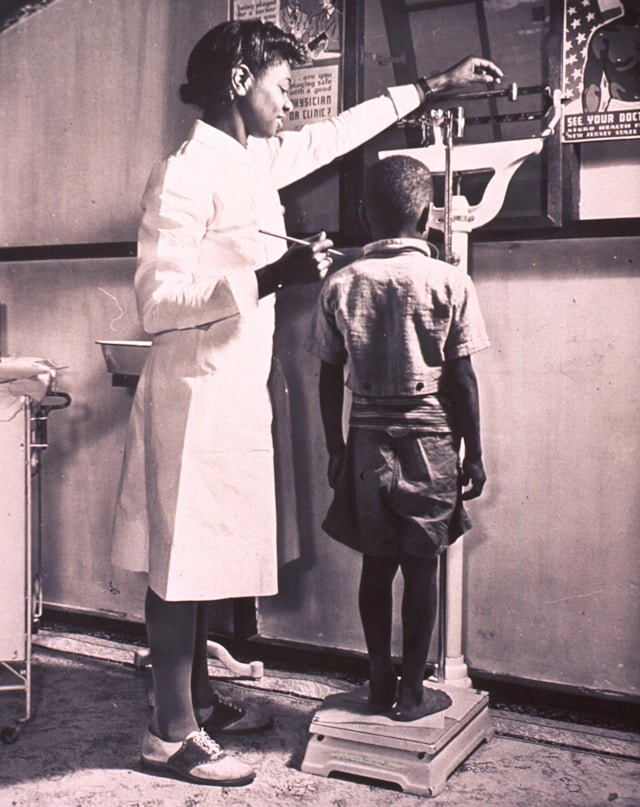
Let’s talk about something you might not hear about every day but is incredibly important: stunting. It’s not just about being short – it’s a sign that something’s seriously wrong with a child’s growth and development. So, let’s dive into what stunting is, why it’s a big deal, especially in places like Afghanistan, and what’s being done to tackle it.
What the Heck is Stunting?
Stunting is when kids are way shorter than they should be for their age. We’re talking more than two standard deviations below the WHO’s child growth standards. This isn’t just about height; it’s a red flag for poor health and nutrition. Think of it like your Wi-Fi signal: if it’s weak, everything slows down. For kids, this means slower brain development, weaker immune systems, and a bunch of other issues that can last a lifetime.
The Critical First 1,000 Days
The first 1,000 days of life – from conception to a kid’s second birthday – are crucial. This is when stunting can take root if kids don’t get the right nutrition and care. And reversing the damage after age 2? Really tough. Imagine trying to fix a broken foundation after you’ve built the house.
The Fallout of Stunting
- Brain Drain: Lower cognitive development and IQ scores.
- Sick Days: Higher risk of infections and diseases.
- School Struggles: Poor performance in school.
- Economic Hit: Lower productivity and earnings in adulthood.
- Health Risks: Greater chance of chronic diseases later in life.
Afghanistan’s Stunting Crisis
In Afghanistan, stunting rates are through the roof. We’re talking over 40% in many provinces, way above the WHO’s alert threshold. It’s a big, ugly problem that needs a smart solution, and fast.
Enter the WFP’s Badakhshan Program
To tackle this, the World Food Programme (WFP) teamed up with Afghanistan’s Ministry of Public Health to roll out a stunting prevention program in Badakhshan. Their secret weapon? Focusing on those crucial first 1,000 days. Here’s the game plan:
- Nutrition Boost: Special nutritious foods for pregnant and breastfeeding women and kids aged 6-23 months.
- Mom Counseling: Training moms on the best feeding practices for their babies.
- Community Power: Health workers and volunteers spreading the word and the food.
The Results Are In
This program is showing some serious promise. They’ve seen a significant drop in stunting and underweight rates among kids in the intervention zones compared to those who didn’t get the same help. Plus, it’s improving key feeding practices, like early breastfeeding and exclusive breastfeeding for the first six months.
The Challenges
Of course, it’s not all smooth sailing. Some kids in control areas (those not officially part of the program) still got similar nutrition support, which muddied the results a bit. Plus, dealing with local dietary deficiencies and ensuring everyone sticks to the program can be tricky.
Why You Should Care
Stunting doesn’t just mess up individual lives; it impacts whole communities and economies. Healthy, well-nourished kids are more likely to do better in school, get good jobs, and contribute positively to their societies. Reducing stunting is like investing in a brighter, healthier future for everyone.
Moving Forward
This study proves that combining nutrition with strong educational support can significantly cut stunting rates. For countries like Afghanistan, integrating such programs into national health policies could be a game-changer. The key is to push for comprehensive approaches that address not just nutrition but overall child health and development.
So next time you’re scrolling through headlines, remember that stunting is a silent crisis we can actually do something about. Every kid deserves a healthy start, and tackling stunting is a crucial step in making that happen. Let’s get to work!
Soofi SB, Khan GN, Sajid M, Hussainyar MA, Shams S, Shaikh M, Ouma C, Azami S, Naeemi M, Hussain A, Umer M, Hussain I, Ahmed I, Ariff S. Specialized nutritious foods and behavior change communication interventions during the first 1,000 days of life to prevent stunting: A quasi-experimental study in Afghanistan. Am J Clin Nutr. 2024 Jul 12:S0002-9165(24)00603-8. doi: 10.1016/j.ajcnut.2024.07.007. Epub ahead of print. PMID: 39004283.
 The Pharmers Almanac