
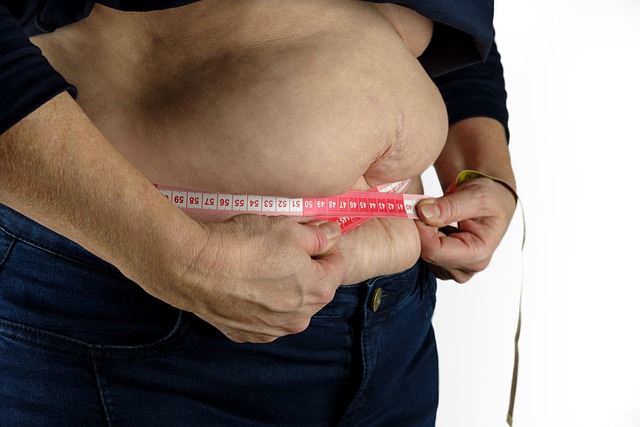
Ever wonder how animals like polar bears, or even you, survive the cold without shaking like a maraca? The answer lies in a powerhouse tissue called brown adipose tissue (BAT)—a fancy term for brown fat. Unlike your typical “white fat” (that annoying stuff around your belly), brown fat actually burns calories to keep you warm when the temperature drops. Think of it as nature’s internal heating system. But here’s the kicker: it doesn’t just crank up the heat on its own—it needs a special kind of fuel to keep the fire burning.
How Does Brown Fat Work?
Brown fat’s superpower is something called non-shivering thermogenesis. When you’re cold, your body triggers brown fat to burn energy and release heat without making you shiver. It’s like flipping on a switch to a heat lamp inside your body. This process is turbocharged by uncoupling protein 1 (UCP1)—a protein in brown fat that turns energy into warmth instead of storing it.
The main ingredient for this process? Long-chain fatty acids (FAs), which are like high-octane gas for this biological furnace. These fatty acids are released from stored fat (called triacylglycerols – a type of fat stored in lipid droplets) through a process called lipolysis—a fancy way of saying, “breaking down fat for fuel.”
The Science of Staying Warm
When you’re exposed to the cold, your nervous system kicks into gear. Adrenaline binds to receptors in brown fat cells, setting off a chain reaction:
- Lipolysis is triggered. Two enzymes—ATGL and HSL—break down stored fat into fatty acids.
- These fatty acids fuel the mitochondria in BAT, where UCP1 converts chemical energy into heat.
- Voilà! You’re toasty without moving a muscle.
But Wait, There’s a Twist
Recent studies using genetically modified mice threw a curveball into the science of brown fat. Mice engineered to lack the enzymes ATGL and HSL in their brown fat showed some surprising results:
- When fed, these mice were fine in the cold.
- When fasting, they couldn’t maintain their body temperature.
Why? Without those enzymes, their brown fat couldn’t break down stored fat into the fatty acids needed to stoke the heat-generating fire. Instead, they had to rely on circulating fats in the blood, which wasn’t enough during fasting.
What This Means for Humans
Humans have brown fat too, and its activity can be measured using fancy imaging techniques like PET scans. Studies show that in cold conditions, brown fat kicks into overdrive, burning fats from both inside the cell and the bloodstream to keep us warm.
Understanding how brown fat works isn’t just a cool (pun intended) science experiment. If scientists can find ways to hack BAT’s heat-making abilities, it could lead to new treatments for obesity or metabolic disorders. Imagine turning up your internal thermostat to burn calories without even hitting the gym!
The Future of BAT Research
While we’ve learned a ton about BAT, there are still some mysteries to solve:
- Can we fully replace one enzyme’s role with another in brown fat?
- How do fasting and feeding change BAT’s reliance on stored vs. circulating fats?
- Could BAT activation become a therapeutic tool for weight loss?
For now, BAT remains a fascinating reminder that even our fat can be productive when the temperature drops. Next time you brave the cold, thank your brown fat for the assist—it’s doing the work so you don’t have to. Brownie points for BAT!
Mouisel E, Bodon A, Noll C, Cassant-Sourdy S, Marques MA, Flores-Flores R, Riant E, Bergoglio C, Vezin P, Caspar-Bauguil S, Fournes-Fraresso C, Tavernier G, Oumar KA, Gourdy P, Blondin DP, Denechaud PD, Carpentier AC, Langin D. Cold-induced thermogenesis requires neutral-lipase-mediated intracellular lipolysis in brown adipocytes. Cell Metab. 2024 Nov 13:S1550-4131(24)00414-5. doi: 10.1016/j.cmet.2024.10.018. Epub ahead of print. PMID: 39566492.
 The Pharmers Almanac