
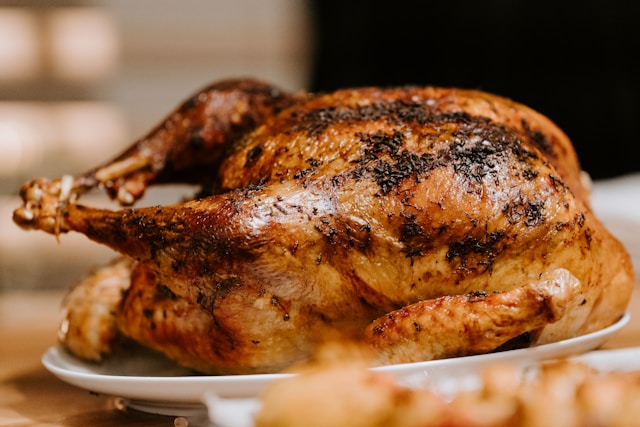
Ah, turkey—the star of the Thanksgiving table, your go-to deli sandwich, and the protein MVP of many a meal-prep plan. But have you ever wondered what your doctor or pharmacist might have to say about eating turkey? Is it really as healthy as it’s cracked up to be, or is there a dark side to that drumstick?
Let’s break it down, health care style.
The Good: Why Turkey is a Health Hero
- Packed with Protein: Turkey is a lean, mean protein machine. A 3-ounce serving of roasted, skinless turkey breast delivers about 26 grams of protein with just 1 gram of fat. That’s like fuel for your muscles and metabolism—perfect for gym-goers and couch potatoes alike.
- Rich in Nutrients: It’s not just protein. Turkey is loaded with vitamins and minerals, like B vitamins (good for energy), selenium (immune support), and zinc (skin health and healing).
- Heart-Friendly Choice: Compared to red meats like beef or pork, turkey has lower saturated fat content, making it a better option for keeping cholesterol levels in check.
- Tryptophan, the Sleepy Star: Yes, turkey contains tryptophan, an amino acid linked to serotonin production. While turkey alone won’t knock you out (you’d have to eat pounds of it!), it can play a small role in regulating mood and sleep.
The Bad: When Turkey Takes a Wrong Turn
- The Sodium Trap: If you’re buying processed turkey (hello, deli slices or pre-seasoned roasts), watch out for the salt. Some brands pump their products with sodium to keep them moist and flavorful, and that can send your blood pressure soaring if you’re not careful.
- Skin On = Fat On: Turkey skin is where the fat hides. While it’s undeniably tasty, leaving the skin on can turn your lean meal into a calorie bomb. Pro tip: ditch the skin if you’re aiming to keep things light.
- Overcooking Woes: Turkey is famously easy to dry out, and when it gets too tough, people tend to drown it in gravy or butter—which negates its low-fat superpowers.
The Ugly: Is Turkey Always a Good Idea?
Let’s talk moderation. While turkey has a lot going for it, eating too much of anything—even something healthy—can cause problems.
- Environmental Impact: Poultry farming has a lower carbon footprint than beef, but it’s still not free of environmental concerns. Overproduction impacts land, water, and greenhouse gases.
- Antibiotic Concerns: Some turkeys are raised with antibiotics, which can contribute to antibiotic resistance in humans. Look for labels like “antibiotic-free” or “organic” to minimize risk.
How to Make Your Turkey Healthier
- Choose Lean Cuts: Stick to white meat like breast or tenderloin, and save the dark meat for special occasions.
- Go Skinless: You’ll slash the fat content without sacrificing much flavor.
- Watch the Add-Ons: Season with herbs and spices instead of salt, and use low-sodium broths or marinades.
- Shop Smart: Opt for fresh or frozen turkey without added preservatives, or go for brands that prioritize ethical farming practices.
So, Is Turkey the Health Food You Think It Is?
Short answer: Yes, but only if you keep it real. Stick to fresh, minimally processed options and pair it with whole grains and veggies for a balanced meal. Your heart, muscles, and even your taste buds will thank you.
Now go forth and enjoy that turkey—just hold the sodium-filled gravy, okay?
References
- National Nutrient Database for Standard Reference, U.S. Department of Agriculture (USDA): Nutrition Data for Turkey
- Baum JI, Wolfe RR. The Link between Dietary Protein Intake, Skeletal Muscle Function and Health in Older Adults. Healthcare (Basel). 2015 Jul 9;3(3):529-43. doi: 10.3390/healthcare3030529. PMID: 27417778; PMCID: PMC4939566.
- Hooper L, Martin N, Jimoh OF, Kirk C, Foster E, Abdelhamid AS. Reduction in saturated fat intake for cardiovascular disease. Cochrane Database Syst Rev. 2020 May 19;5(5):CD011737. doi: 10.1002/14651858.CD011737.pub2. Update in: Cochrane Database Syst Rev. 2020 Aug 21;8:CD011737. doi: 10.1002/14651858.CD011737.pub3. PMID: 32428300; PMCID: PMC7388853.
- World Health Organization (WHO): “Antibiotics in Food Production,” 2023.
- Bist RB, Bist K, Poudel S, Subedi D, Yang X, Paneru B, Mani S, Wang D, Chai L. Sustainable poultry farming practices: a critical review of current strategies and future prospects. Poult Sci. 2024 Sep 4;103(12):104295. doi: 10.1016/j.psj.2024.104295. Epub ahead of print. PMID: 39312848; PMCID: PMC11447413.
 The Pharmers Almanac