
Picture this: It’s Christmas night, the fire’s crackling, and you’re thinking about the gifts the wise men brought to baby Jesus. Gold? Fancy. Myrrh? Exotic. But frankincense? What even is that? Turns out, this ancient resin isn’t just for burning in a nativity play—it’s a lowkey superstar in modern medicine. So, grab some cocoa, and let’s unwrap the wonders of frankincense.
What Is Frankincense Anyway?
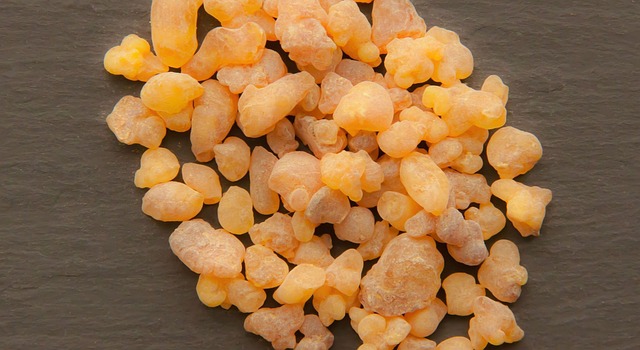
Frankincense is the hardened sap of Boswellia trees, mostly found in places like India, Somalia, and Oman. Think of it as nature’s original multi-tool: a little resin that packs a punch in health and wellness.
For centuries, people have been using frankincense to treat pretty much everything—from sore throats to wounds. Fast-forward to now, and scientists are giving this ancient remedy a modern twist, proving it’s more than just an incense for church services.
Nature’s Medicine Cabinet
Frankincense is loaded with boswellic acids, compounds that are basically like tiny inflammation ninjas. Here’s what modern medicine says it can do:
1. Calm the Fire Within (Anti-Inflammatory Powers)
Dealing with arthritis, asthma, or gut issues? Frankincense is your new best friend. Studies show it can help reduce inflammation without the nasty side effects of prescription meds. People with chronic colitis, for example, saw improvements after taking Boswellia extracts for just six weeks. Imagine ditching the bloat and pain for some Christmas cheer!
2. Breathe Easier
Struggling with asthma? Frankincense might help clear the air. A study found that 70% of asthma patients treated with frankincense resin saw major improvements in breathing, fewer attacks, and less wheezing.
3. Joint Relief That’s Sleigh-Approved
Arthritis pain can be a Grinch, but frankincense might bring back the jingle to your joints. It’s been shown to ease the stiffness and discomfort associated with osteoarthritis and rheumatoid arthritis—minus the gut-wrecking side effects of NSAIDs.
Germ Buster Extraordinaire
Frankincense isn’t just anti-inflammatory; it’s antimicrobial too. It can take on bacteria, fungi, and even biofilms (those sneaky microbial communities that antibiotics can’t touch). Scientists have found it works against dental plaque and could someday level up your toothpaste or mouthwash game. No more bad breath at the holiday dinner table—you’re welcome.
Got the Holiday Sniffles?
Forget synthetic cough syrups. Frankincense has been used for centuries to treat colds, coughs, and bronchitis. Its essential oils might even help as a respiratory antiseptic. Imagine inhaling a little frankincense steam and feeling your sinuses unclog faster than Santa can deliver presents.
Future of Frankincense: Medicine Meets Merry
Frankincense is already FDA-approved as a safe food additive. The dream? Seeing it pop up in skincare for inflammation, mouthwashes for gum health, and supplements for arthritis relief. It’s like the gift that keeps on giving.
The Takeaway
Frankincense isn’t just a relic of the nativity scene. It’s a modern medicinal marvel hiding in plain sight. So this Christmas, as you light your candles or diffuse essential oils, give a little nod to frankincense. Who knew the Wise Men were onto something that could still make life brighter, healthier, and more festive 2,000 years later?
Almeida-da-Silva CLC, Sivakumar N, Asadi H, Chang-Chien A, Qoronfleh MW, Ojcius DM, Essa MM. Effects of Frankincense Compounds on Infection, Inflammation, and Oral Health. Molecules. 2022 Jun 29;27(13):4174. doi: 10.3390/molecules27134174. PMID: 35807419; PMCID: PMC9268443.
 The Pharmers Almanac