
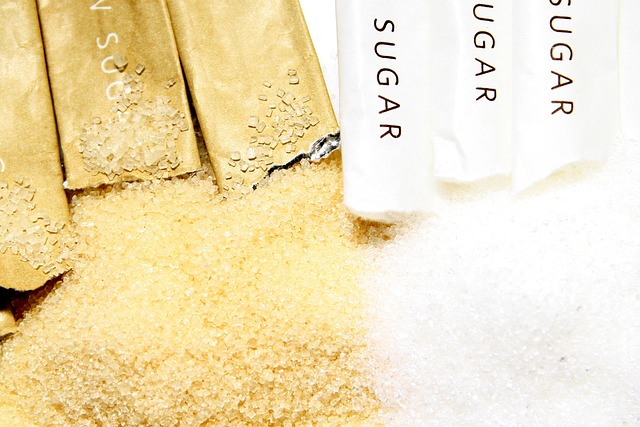
Artificial sweeteners (AS) are everywhere. From your morning coffee to that “zero-calorie” soda you had with lunch, these sugar substitutes have crept into every corner of our diets. But are they as sweet as they seem? Here’s a simple breakdown of what they are, why they’re so popular, and the not-so-sweet controversies surrounding them.
What Are Artificial Sweeteners?
Artificial sweeteners are low- or zero-calorie sugar substitutes used in food, drinks, and even some medicines. They’ve been around for nearly a century, with their big break in the food industry coming in the 1950s. Since then, their popularity has skyrocketed. By 2020, the world was chowing down on over 250,000 tons of these sweet additives annually.
Big players in the AS world include:
- Aspartame
- Saccharin
- Sucralose
- Acesulfame K
- Stevia (plant-based, but processed into an AS form)
These sweeteners can be anywhere from 200 to 13,000 times sweeter than sugar. That’s why a tiny packet of sweetener can replace a spoonful of the real deal.
Why Do We Love Them?
The allure of artificial sweeteners lies in their promise: you get the sweet taste without the calories. That’s a dream come true for dieters, diabetics, and soda lovers trying to watch their waistlines. And with the global AS market projected to hit nearly $10 billion by 2028, it’s clear the world isn’t giving up on its sweet tooth anytime soon.
The Bitter Controversy
Here’s the sticky part: artificial sweeteners might not be as innocent as they sound. While they’re marketed as a guilt-free alternative to sugar, studies are finding potential links to serious health risks like:
- Obesity
- Type 2 Diabetes
- Cardiovascular Diseases (CVD)
- Cancer
The World Health Organization (WHO) has guidelines for safe AS consumption, but they don’t give a clear-cut list of which sweeteners are approved. Different countries approve different sweeteners, and how much people consume depends on factors like local diets and obesity rates.
The Cancer Connection
One of the biggest concerns is the potential link between artificial sweeteners and cancer. Research has shown:
- Prolonged AS use may increase the risk of certain cancers, including breast, kidney, and prostate cancers.
- Studies on animals (and some humans) suggest that excessive AS consumption can lead to DNA damage, inflammation, and tumor growth.
In one French study, participants consuming high levels of AS had a 13% higher risk of developing cancer compared to non-users.
What’s the Deal With “Safe Limits”?
Organizations like the FDA and WHO have set “acceptable daily intake” (ADI) levels for artificial sweeteners. These limits are meant to ensure that normal consumption is safe. For example, you’d have to drink an insane number of diet sodas daily to hit the dangerous zone. But here’s the catch: “normal” use varies widely between people, and new research keeps challenging these safety benchmarks.
Should You Ditch Sweeteners?
Not necessarily. If you’re relying on AS to cut calories, they might still have a role in your diet. But moderation is key. Overloading on these substitutes—just like with sugar—comes with risks. Instead of completely swapping sugar for artificial alternatives, try incorporating natural sweet options like fruit into your diet.
The Bottom Line
Artificial sweeteners aren’t the magic bullet for cutting calories and avoiding sugar’s downsides. While they can be part of a balanced diet, the science on long-term safety is still evolving. So, think of them as a sometimes-treat, not a daily staple.
After all, the best way to stay healthy is to keep it real—whether that’s with sugar or its alternatives.
Xie J, Zhu Y, Yang Z, Yu Z, Yang M, Wang Q. An integrative analysis reveals cancer risk associated with artificial sweeteners. J Transl Med. 2025 Jan 8;23(1):32. doi: 10.1186/s12967-024-06047-0. PMID: 39780215; PMCID: PMC11708064.
 The Pharmers Almanac