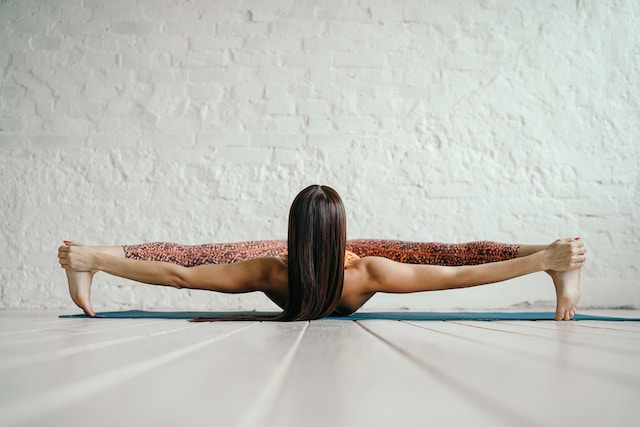
In today’s fast-paced world, maintaining physical flexibility is essential not only for athletic performance but also for overall well-being. Whether you’re a seasoned athlete or just someone looking to enhance their daily life, flexibility plays a crucial role in preventing injuries, reducing stress, and improving your quality of life. In this article, we’ll explore five proven ways to stay physically flexible and optimize your health.
- Stretching Routine: One of the most effective ways to improve flexibility is through a regular stretching routine. Incorporate both static and dynamic stretches into your daily or weekly exercise regimen. Static stretches help to lengthen and relax your muscles, while dynamic stretches prepare your body for movement and increase joint mobility. Make sure to target major muscle groups, such as your legs, back, and shoulders. A few minutes of stretching before and after workouts can make a significant difference in your flexibility.
- Yoga and Pilates: Yoga and Pilates are fantastic disciplines that emphasize flexibility, balance, and strength. Yoga, in particular, offers a wide range of poses that promote flexibility while reducing stress. Practicing these exercises regularly can lead to improved muscle elasticity, increased range of motion, and enhanced body awareness. Additionally, yoga and Pilates can help alleviate muscle tension, making them excellent choices for both beginners and advanced practitioners.
- Stay Hydrated: Hydration is key to maintaining joint and muscle flexibility. Proper hydration ensures that your muscles and tendons stay lubricated, reducing the risk of stiffness and injury. Aim to drink plenty of water throughout the day, especially before, during, and after exercise. Dehydration can lead to muscle cramps and decreased flexibility, so staying well-hydrated is essential for overall health.
- Foam Rolling: Foam rolling is a self-myofascial release technique that can help relieve muscle knots and improve flexibility. By applying gentle pressure to specific muscle groups using a foam roller, you can release tension and increase blood flow to the area. This aids in muscle recovery and flexibility enhancement. Incorporate foam rolling into your post-workout routine or on rest days to prevent muscle tightness.
- Consistency is Key: The most crucial aspect of staying flexible is consistency. Flexibility gains are gradual, and it’s essential to keep up with your routine to see lasting results. Create a flexible schedule that fits your lifestyle, whether it’s daily, several times a week, or weekly sessions. By staying committed and gradually progressing in your flexibility training, you’ll continue to enjoy the benefits of improved mobility and reduced injury risk.
Maintaining physical flexibility is vital for a healthy and active lifestyle. By incorporating stretching, yoga, hydration, foam rolling, and consistency into your routine, you can enhance your flexibility, reduce the risk of injuries, and improve your overall well-being. So, start your journey toward improved flexibility today, and reap the long-lasting benefits of a more limber and healthy body.