
Hypertension, or high blood pressure, is often called the “silent killer” because it typically has no noticeable symptoms. However, it’s a serious health condition that can lead to heart disease, stroke, and other complications if left untreated. To protect your health, it’s crucial to know if you have hypertension. In this article, we’ll discuss seven warning signs that may indicate high blood pressure.
- Frequent Headaches: Persistent, throbbing headaches can be a sign of hypertension. If you experience recurring headaches, especially in the morning, it’s essential to monitor your blood pressure regularly.
- Dizziness and Lightheadedness: Feeling dizzy or lightheaded, particularly when standing up quickly, can be a sign of high blood pressure. This occurs because hypertension can affect blood flow to the brain.
- Vision Changes: Blurred vision or seeing spots can be a symptom of hypertension-related eye problems. High blood pressure can damage the blood vessels in the eyes, leading to vision issues.
- Shortness of Breath: If you find yourself frequently short of breath, even during light physical activity, it could be due to hypertension. Elevated blood pressure can strain your heart and lungs, making it harder to breathe.
- Chest Pain: Chest pain or discomfort can be associated with high blood pressure. It may be a sign of an underlying heart issue caused by untreated hypertension.
- Fatigue and Irregular Heartbeat: Feeling excessively tired or experiencing an irregular heartbeat may be linked to hypertension. High blood pressure can lead to an overworked heart, which can result in fatigue and palpitations.
- Nosebleeds: While infrequent nosebleeds are generally not a cause for concern, recurrent nosebleeds can be an indicator of hypertension. Elevated blood pressure can damage the delicate blood vessels in your nose.
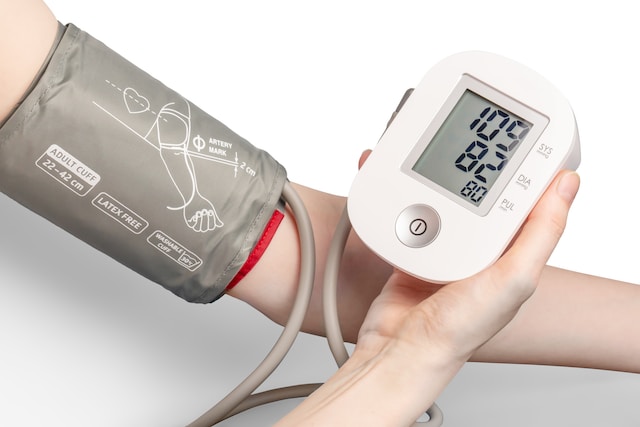
How to Confirm Hypertension: The only way to diagnose hypertension definitively is by measuring your blood pressure. You can do this at home with a blood pressure monitor or visit a healthcare professional for regular check-ups. Blood pressure readings are typically given as two numbers: systolic (the higher number) and diastolic (the lower number). A normal blood pressure reading is typically around 120/80 mm Hg. If your readings consistently show numbers higher than this, it’s crucial to seek medical advice.
Hypertension is a silent but serious health condition that requires prompt attention. By being aware of these warning signs and regularly monitoring your blood pressure, you can take steps to control your blood pressure and reduce the risk of complications. Remember, it’s always advisable to consult with a healthcare professional to confirm any potential hypertension diagnosis and develop an appropriate treatment plan. Your health is your greatest asset, so make it a priority.

